LPG vs Natural Gas at Home
Fuel gas reaches a Queensland home in three forms, and the form drives every other difference. The lpg vs natural gas comparison comes down to a pipe or a bottle, and then to how each fuel behaves in a leak. Our Wamuran licensed plumbers work on both, so here is the plain run-down.
If we're late, $100 comes off your bill

- Licensed and InsuredEvery job done by a licensed plumber. QBCC No: 15024607
- Fixed Quote FirstFlat-rate pricing, agreed before any work starts
- Lifetime Labour WarrantyBacked by our Fix-It-or-It's-Free guarantee (T&Cs apply)
- $0 Call-Out FeesNo extra charge for nights, weekends or public holidays
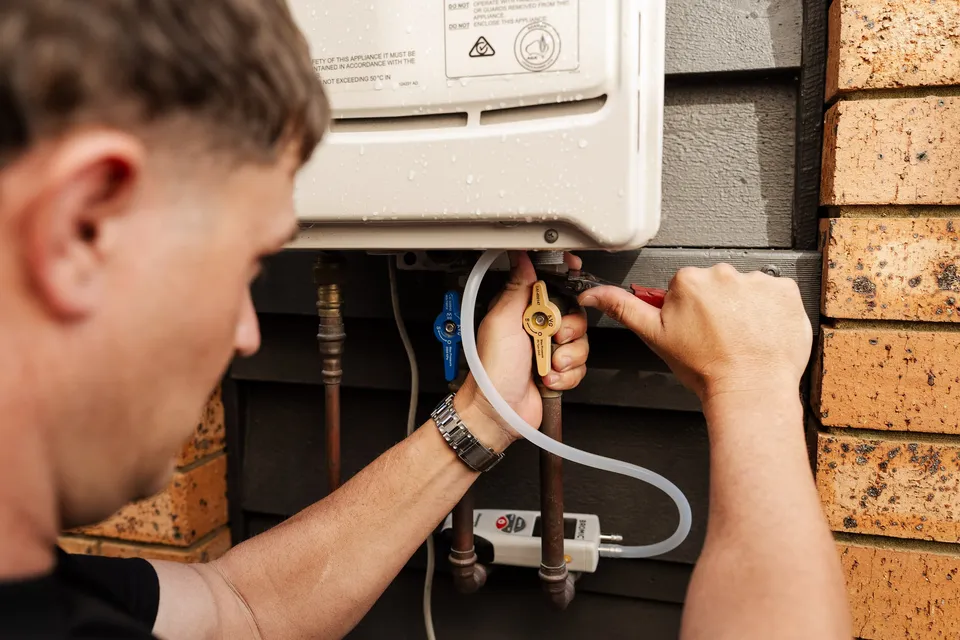
Pipe, Cylinder or Tank Supply Compared
Natural gas is methane, fed through pipes from a network the supplier meters at the boundary. LPG, or liquefied petroleum gas, arrives as a liquid inside a bottle or a tank. The liquid boils off to gas as the house draws on it.
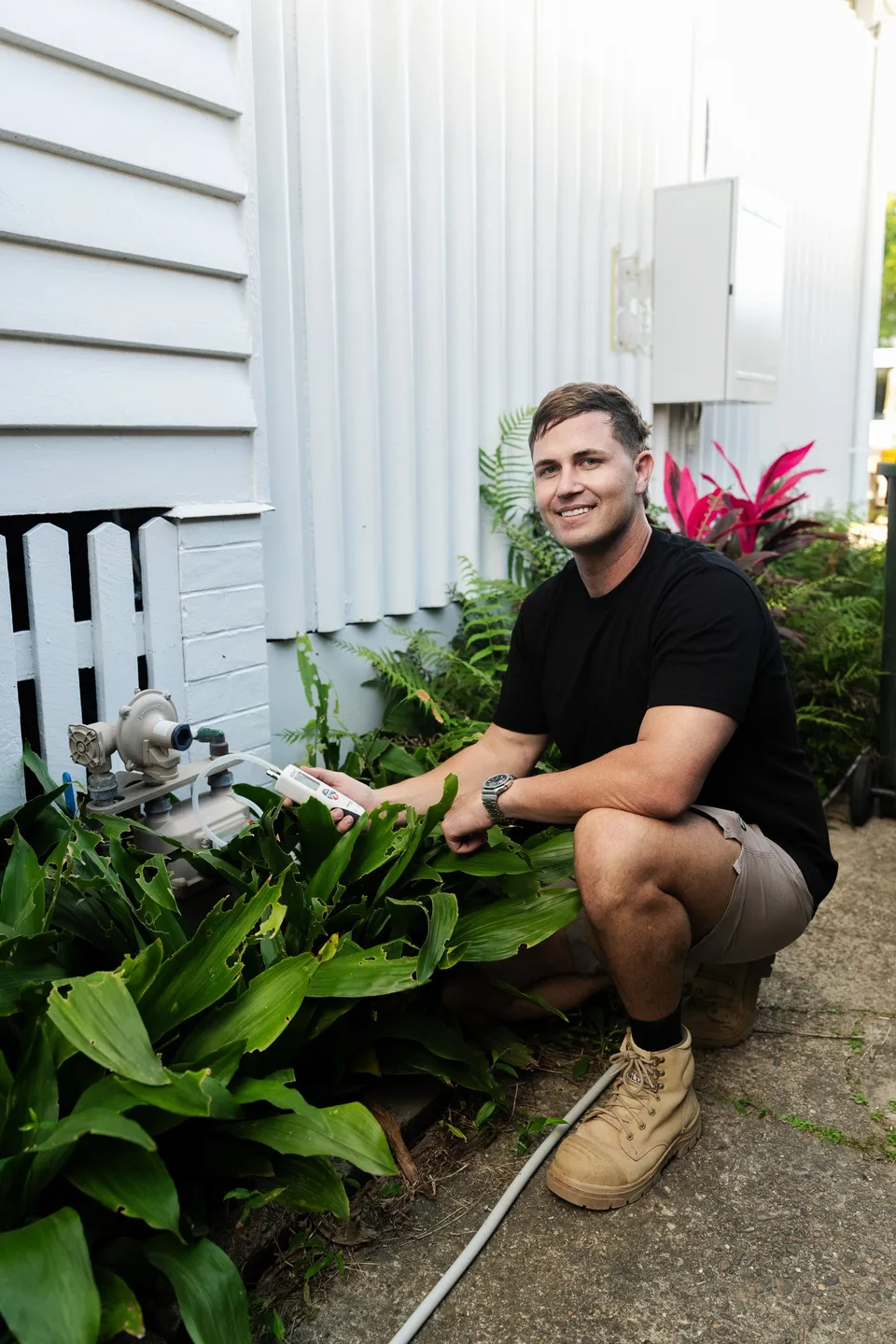
A meter on the wall puts a home on a piped supply. Bottles or a tank beside the house put a home on LPG instead.
One wrinkle worth knowing:
- Some communities pipe reticulated LPG through street pipes, so a meter alone does not prove the fuel is methane.
- A look at the bill, or a call to the supplier, settles it.
Neither fuel smells of anything on its own. Suppliers add a chemical called mercaptan, which stamps a rotten-egg stink on any leak so the escape announces itself.
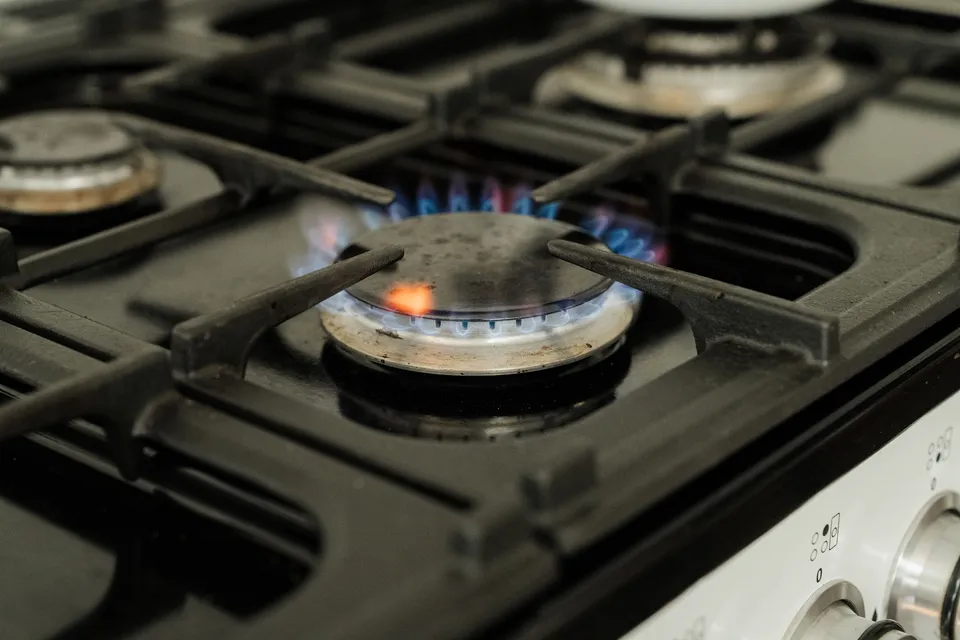
Do the Same Safety Steps Apply to Both
Yes: the first steps after a smell match for both fuels, though the gases move in opposite directions. Methane is lighter than air, so an escape climbs and can thin out in open air. LPG weighs more than air, so a leak sinks into hollows, drains and low ground near the creek flats.
Both burn readily, and neither poisons. A room filled with fuel gas loses its oxygen to the fumes, which brings on nausea, dizziness and, in the worst case, asphyxiation.
If you smell gas on either fuel:
- Switch the appliance off, air the place out, and leave the electrics alone.
- If the smell hangs on, shut the supply at the meter or the bottle, then phone us.
- Ring 000 if the smell still will not clear.
Who Looks After the Cylinder at Your Home
A portable barbecue bottle, usually 9 kg, needs a current ten-year test stamp before a filling station will refill it. Counter staff read the date off every cylinder across the counter.
The rest sits with you, the owner:
- Travel with the bottle secured, and never inside the cabin with you.
- Use and store each bottle where air moves, clear of excess heat and of ignition sources.
- Give spare bottles one set secure spot, away from the house where you can.
- Keep the bottle valve closed whenever a bottle stands idle, empties included.
A cylinder that feeds the house is a different arrangement. The LPG distributor owns, services and tests the connected supply, so a smell or damage on that tank means a call to the distributor. No bottle valve is ever a home repair.
On the acreage blocks around town, the barbecue bottle usually lives on a verandah well back from the house. That habit suits these rules, and the dry grass of a Wamuran summer gives the rules teeth.
Can You Convert a Cooktop Between LPG and Natural Gas
Yes, and a licensed gasfitter owns the whole job. Cooktops, ovens and heaters come set for one fuel, so a shift between a methane-fed house and a bottle-fed house needs a proper conversion.
Queensland reserves that change for licensed gasfitters. Gas work covers installing, removing, altering, fixing, servicing, testing and certifying gas systems, pipework and connections. The gasfitter swaps in parts from the appliance maker, where the maker makes conversion parts for that model, and tests the change before the cooktop goes back on.
Make the paperwork a habit too: get the licence shown before any tools leave the van. Anyone doing gas work for money carries one, and ours is on hand.
When to Call a Plumber
Ring us when the question becomes a job: a cooktop to convert, a heater to connect, or a smell nobody can trace. Our gas cooktop installation page walks through a new cooktop on either fuel.
Gas Questions From Wamuran Homes
Call (07) 3523 7172Is LPG heavier than air?
Yes, LPG is denser than air, so an escape pools in dips, drains and low sheds. Methane is lighter and climbs, which helps a release thin out in the open. A Wamuran home on either fuel follows the same Queensland steps when the smell shows.
Can a gas cooktop run on both LPG and natural gas?
No, most gas appliances suit one fuel only, so a cooktop moved between a methane house and a bottle house needs a conversion. A licensed gasfitter handles the change using parts the appliance maker supplies for that model, then checks the appliance.
Who is allowed to convert a gas appliance in Wamuran?
Only a licensed gasfitter. Queensland reserves gas work, from installing and altering through servicing, testing and certifying, for licence holders. Ask any tradesperson to show the licence before the job starts, and phone us for a conversion quote.
How should I store a spare gas bottle at home?
Keep spare bottles in one secure spot with airflow, clear of heat and of anything that could light a cylinder. Shut each bottle's valve whenever the bottle stands unused, even an empty bottle. Tie cylinders down in the tray for the drive, never in the cabin.

Call Our Team About Either FuelWe'll call you back.
Phone (07) 3523 7172 for a licensed plumber in Wamuran. We work under QBCC No: 15024607, with flat-rate pricing, no hidden fees and same-day where we can.
To claim your $0 call-out fee, call (07) 3523 7172 today.